
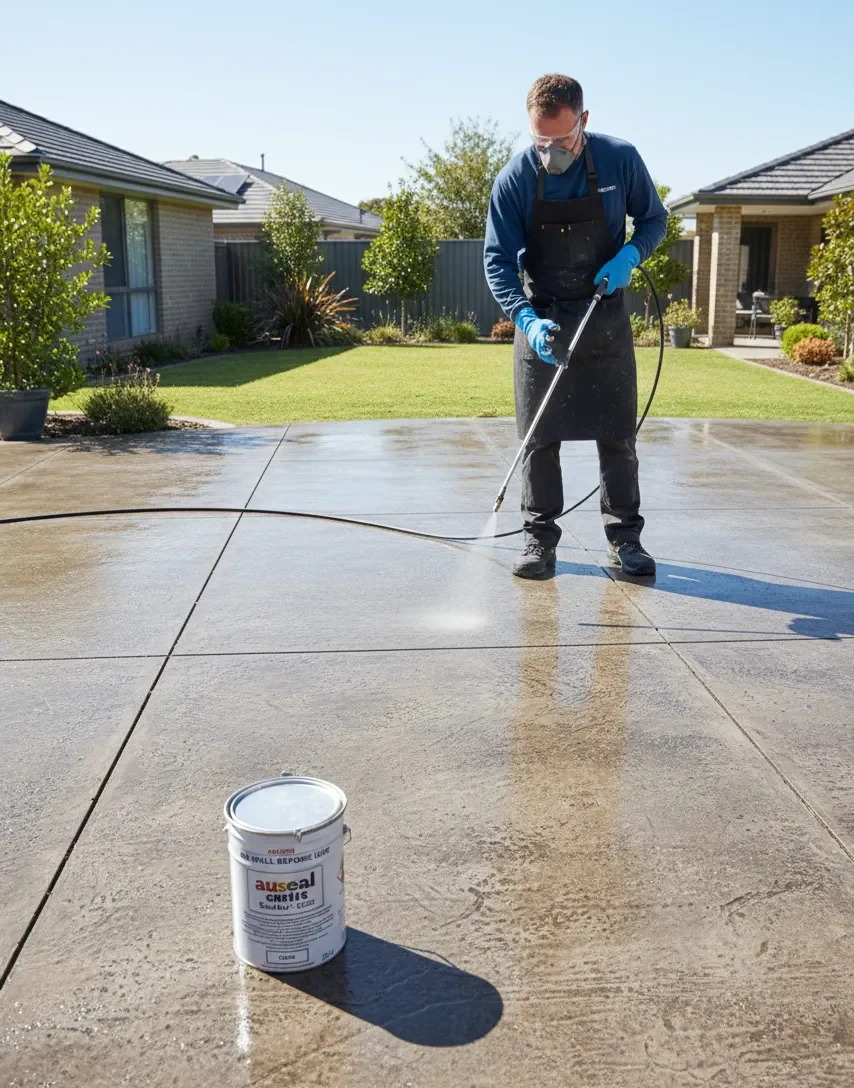
 Ensure new-build QA compliance before sealing with Auseal in Melbourne using a 12-point handover checklist that supports compliant construction outcomes.
Quality outcomes in construction depend on what is verified before final works begin. New-build QA establishes whether joints, substrates, and interfaces are ready for sealing without introducing future defects. A structured handover process protects compliance, durability, and long-term performance.
Why Pre-Sealing Inspections Are Essential
Sealants rely on precise surface conditions and correct joint design to perform as specified. Issues concealed beneath sealant systems often lead to adhesion loss, movement failure, and non-compliant installations.
Pre-sealing inspections confirm that construction tolerances align with product specifications and Australian standards. This step reduces rectification risk and supports consistent outcomes across commercial and industrial builds.
How New-Build QA Supports Construction Compliance
New-build QA forms a critical checkpoint between trade completion and final sealing works. This process ensures that installation conditions meet technical requirements before irreversible applications occur.
Documented inspections also support smoother approvals and clearer accountability. Builders and asset owners benefit from reduced defect exposure and improved lifecycle reliability.
Pre-Sealing Handover Inspection Checklist
Effective inspections focus on visible, measurable conditions before sealant installation. The following 12-point checklist should be completed and recorded before sealing approval:
1. Surface Cleanliness: Substrates must be free from dust, laitance, curing agents, and loose material.
2. Joint Geometry: Joint width and depth must comply with sealant manufacturer tolerances.
3. Moisture Levels: Concrete and masonry surfaces must meet acceptable moisture limits.
4. Substrate Integrity: Cracks, voids, and spalling must be repaired before sealing proceeds.
5. Backing Materials: Backer rods and bond breakers must be correctly sized and positioned.
6. Edge Condition: Joint edges must be sound, square, and free from damage or feathering.
7. Material Compatibility: Adjacent materials must be chemically compatible with the sealant system.
8. Fire-Rated Junctions: Fire-stopping locations must match tested systems and certification details.
9. Movement Allowances: Structural and thermal movement requirements must be accommodated.
10. Environmental Exposure: External joints must suit UV, temperature variation, and weather conditions.
11. Application Sequencing: Sealing must follow correct trade sequencing to avoid contamination.
12. Documentation Records: Product data sheets, inspection sign-offs, and warranties must be verified.
Compliance Considerations Before Final Sealing
Sealant compliance under the NCC addresses fire resistance, weatherproofing, movement control, and durability at building junctions. New-build QA verifies that sealing systems align with tested configurations, approved materials, and installation tolerances before final sign-off. Detailed performance requirements and compliance pathways are defined by the Australian Building Codes Board in NCC 2022 Volume One, which sets the national framework for construction sealing standards.
Reliable Sealing Starts with Verified QA
Structured inspection processes improve sealing reliability and reduce long-term maintenance risks. New-build QA supports compliant outcomes by identifying issues before sealant application begins.
Auseal supplies tested sealant and fire-stopping systems designed for Australian construction conditions. Our products support compliant installation, long-term durability, and consistent on-site performance.
See our product range online to confirm suitability for your construction application. Contact us to ensure your project is supported by compliant, high-performance sealing solutions.
Related Blog Article: Spec-Writing for Concrete Sealing in Tenders (Free Section You Can Paste-In)